
compressed.png)
Overview
When you’re running a small to medium-sized enterprise (SME), it’s easy to fall into the trap of the day-to-day. You’re focused on managing costs and keeping customers happy, which often comes with its fair share of fires to put out and obstacles to overcome. There’s barely time in the day to get everything done, much less strategize and build the most efficient logistics program possible.
Eventually, many SMEs that manage warehouse and distribution logistics in-house run into rising costs and faltering service, harming their brand reputation in the process. Others make the sound decision to hire a third-party logistics company (3PL), but wind up feeling stuck with a provider that isn’t meeting promises and expectations.
Hiring a 3rd party warehouse and distribution provider is usually the way to go for an SME, but it’s important to choose one that will truly commit to not only handling your orders but also, on a larger scale, helping you grow your business through streamlined, efficient logistics.
Challenge
Limited Strategic Bandwidth in Day-to-Day Operations
SMEs managing warehousing internally often operate in a constant state of execution. Teams are focused on fulfilling orders, managing inventory, and solving immediate issues, leaving little time for process optimization or long-term planning. This lack of strategic bandwidth prevents companies from identifying inefficiencies and implementing scalable improvements.
Rising Costs and Operational Inefficiencies
As order volume increases, in-house warehouse operations become more complex and costly. Labor, space constraints, and manual processes begin to impact both cost structure and service performance. Without a structured warehouse and distribution strategy, inefficiencies compound over time.
Lack of Data Visibility and Performance Measurement
Many internal teams lack the tools and time required to consistently track key performance indicators (KPIs). Without real-time visibility into inventory, order flow, and operational performance, decision-making becomes reactive rather than proactive.
Misaligned Expectations with External Providers
While outsourcing to a 3rd party warehouse partner can provide relief, not all providers deliver on expectations. Companies often encounter communication gaps, inconsistent execution, and a lack of true partnership, limiting the value of outsourcing.
Solution
Building a Foundation for Scalable Growth Through Strategic Planning
CDS began by evaluating the customer’s entire warehouse and distribution process—from inbound handling to final delivery. By analyzing each operational step, we developed a structured plan designed to meet immediate needs while supporting long-term growth. Planning served as the foundation for building scalable infrastructure and driving measurable return on investment.
Performance-Driven Operations and Data Visibility
Unlike internal teams that are often resource-constrained, CDS operates with a performance-first mindset. We implemented KPI tracking, reporting dashboards, and carrier performance monitoring to create a more transparent and accountable operation. This enabled better decision-making and continuous operational improvement.
Flexible Warehouse and Distribution Execution
The customer initially engaged CDS for bulk warehousing and just-in-time fulfillment, operating daily across all 365 days of the year. As the relationship evolved, services expanded to include:
- Packing and labeling
- Product segregation
- Palletizing for 29 end users
- Value-added warehouse services
This flexible model allowed the operation to scale without disruption.
Structured Onboarding and Transition Management
To ensure a seamless transition, CDS established dedicated project teams and implemented a phased onboarding approach:
- Weekly and daily coordination calls
- On-site operational observation
- Gradual transfer of product lines
- Continuous performance validation
This minimized risk while maintaining consistent service levels.
A True Partnership Model
CDS operates as an extension of the customer’s team. By combining engineering expertise, advanced warehouse technologies, and ongoing operational analysis, we continuously identify opportunities for improvement. This partnership approach ensures that warehouse and distribution operations evolve alongside business growth.
Results
Restoring Confidence Through Scalable Warehouse and Distribution Execution
The impact of the customer’s partnership with Customized Distribution Services (CDS) marked a clear turning point in their warehouse and distribution operations. What began as a need for reliable daily fulfillment quickly evolved into a structured, scalable system capable of supporting long-term growth.
Within the first phase of implementation, CDS established consistent processes for inventory handling, order fulfillment, and communication across all stakeholders. This created a level of operational stability that had previously been difficult to achieve with in-house warehousing.
By aligning warehouse workflows, implementing performance tracking, and introducing structured planning, CDS transformed fulfillment from a reactive function into a controlled, repeatable system. The result was improved service reliability, reduced operational friction, and a stronger foundation for scaling distribution across multiple end users.
Reliable Fulfillment Despite External Disruptions
Maintaining just-in-time fulfillment 365 days per year requires precision and consistency. CDS implemented standardized processes and contingency planning to ensure orders were fulfilled accurately and delivered on time, even under challenging conditions. This level of reliability strengthened customer confidence and ensured uninterrupted service across all distribution channels.
Scalable Multi-Channel Distribution Across 29 End Users
The operation successfully expanded from bulk warehousing into a fully integrated warehouse and distribution model supporting 29 different end users. Each required unique handling, packaging, and fulfillment workflows. Through flexible infrastructure and value-added services such as labeling, kitting, and palletization, CDS enabled the customer to scale without sacrificing efficiency or accuracy.
Enhanced Inventory Visibility and Operational Transparency
With improved reporting, structured communication, and consistent data tracking, the customer gained greater visibility into inventory levels, order status, and overall performance. This visibility enabled faster decision-making, better forecasting, and improved coordination across the supply chain.
Seamless Transition from In-House to a 3rd Party Warehouse Model
The phased onboarding process allowed for a smooth transition from in-house warehousing to a 3rd party warehouse and distribution provider without disrupting daily operations. Frequent communication, on-site collaboration, and gradual product migration ensured continuity while improving overall efficiency.
Conclusion: Building a Smarter, Scalable Warehouse and Distribution Strategy
For many SMEs, warehouse and distribution operations begin as a necessary function to support order fulfillment. Over time, however, increasing complexity, rising costs, and limited visibility can turn these operations into a constraint on growth.
This case study demonstrates how the right 3rd party warehouse and distribution partner can shift that dynamic. By introducing structured planning, performance-driven execution, and a true partnership model, CDS helped transform fulfillment into a scalable, reliable system.
The key takeaway is that warehouse and distribution should not operate in isolation. When supported by integrated systems, real-time inventory visibility, and flexible infrastructure, fulfillment becomes a strategic advantage—enabling businesses to expand into new markets, support multiple distribution channels, and improve overall customer experience.
For companies managing imported goods, navigating port-based distribution, or scaling into Amazon and retail channels, aligning with a warehouse and distribution provider that prioritizes visibility, performance, and adaptability is critical.
Ready to evaluate your current warehouse and distribution strategy? Request a consultation with CDS to identify opportunities for greater efficiency, visibility, and scalable growth.
Ready to Strengthen Your Warehouse and Distribution Strategy for Scalable Growth?
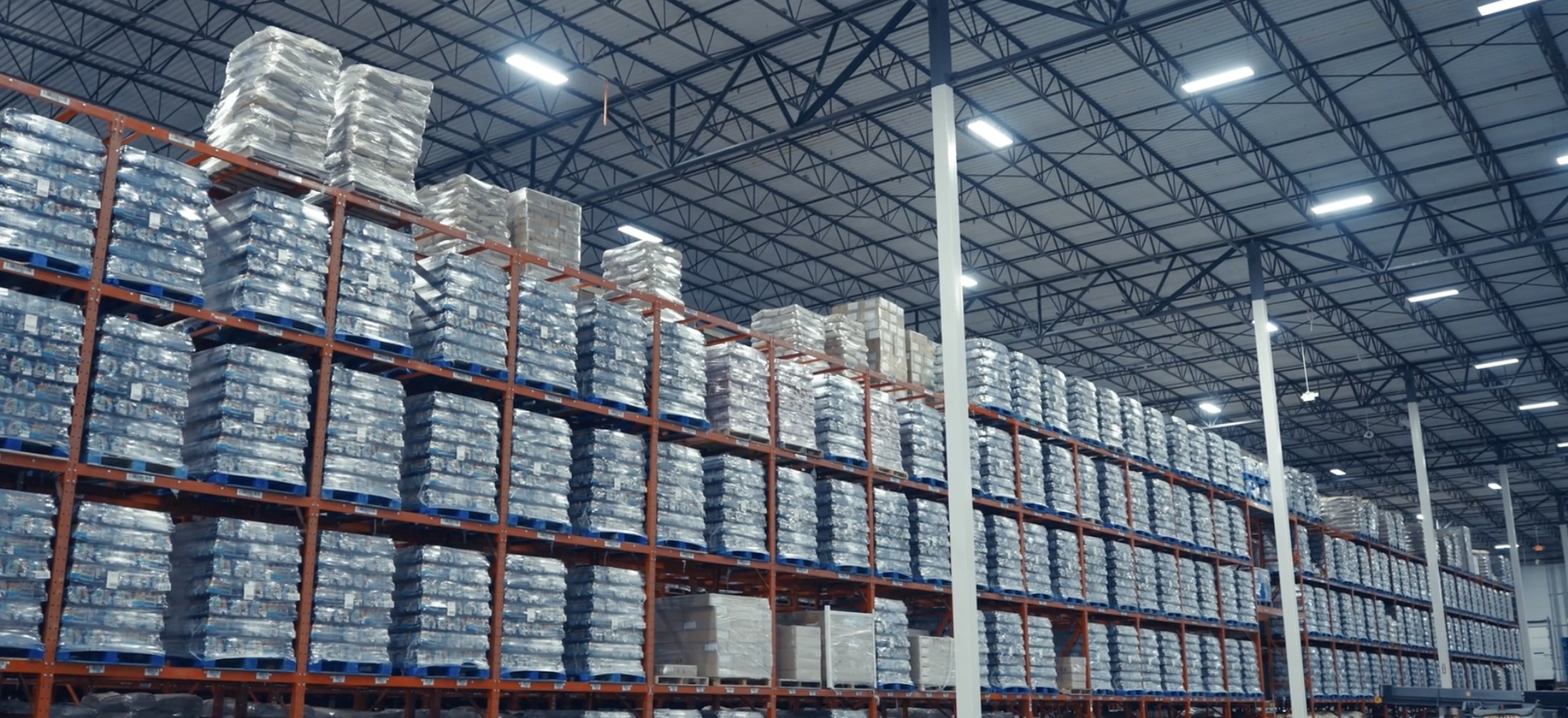
Build a more efficient, reliable, and scalable fulfillment operation with a 3rd party warehouse and distribution partner that prioritizes inventory visibility, performance, and long-term operational success—whether you're managing imported goods, expanding into retail, or optimizing existing warehouse processes.
Frequently Asked Questions?
When should an SME transition from in-house warehousing to a 3rd party warehouse?
SMEs should consider transitioning to a 3rd party warehouse and distribution provider when internal operations begin to struggle with rising costs, limited capacity, or inconsistent fulfillment performance. Indicators include delayed orders, inventory inaccuracies, and difficulty scaling to meet demand.
How does a warehouse and distribution provider improve inventory visibility?
A warehouse and distribution provider improves inventory visibility by implementing warehouse management systems (WMS) that track inventory in real time. This provides accurate stock levels, order status updates, and reporting insights that support better decision-making and forecasting.
What value-added services can a 3rd party warehouse provide?
A 3rd party warehouse can provide value-added services such as labeling, kitting, repacking, palletization, and product segregation. These services help streamline fulfillment processes and ensure products meet the specific requirements of different customers and distribution channels.
How do you ensure a smooth transition from in-house to outsourced warehousing?
A smooth transition is achieved through a phased onboarding process that includes detailed planning, dedicated project teams, and gradual product migration. Frequent communication and performance monitoring ensure that operations continue without disruption during the transition.
Can a warehouse and distribution provider support multi-channel fulfillment?
Yes, a warehouse and distribution provider can support multi-channel fulfillment by managing both B2B and B2C order requirements within a single operation. Integrated systems ensure inventory is accurately allocated and orders are fulfilled according to each channel’s specifications.
How do contingency plans improve fulfillment reliability?
Contingency plans improve fulfillment reliability by preparing for disruptions such as weather delays, traffic issues, or supply chain interruptions. By proactively planning for these risks, warehouse operations can maintain consistent service levels even under challenging conditions.
What should businesses look for in a warehouse and distribution partner?
Businesses should look for a partner that offers real-time inventory visibility, scalable warehouse infrastructure, strong communication, and a performance-driven approach. A true warehouse and distribution partner should act as an extension of your team, continuously identifying opportunities for improvement and growth.